Polishers
Polishing Machines – The Key to a Perfect Shine A flawless, deep gloss finish is every car enthusiast’s dream. But a perfect finish doesn’t happen by chance – polishing machines are the key to turning... mehr lesen
4.8/5 basierend auf 9'000+ Bewertungen


Polishers
Polishing Machines – The Key to a Perfect Shine A flawless, deep gloss finish is every car enthusiast’s dream. But a perfect finish doesn’t happen by chance – polishing machines are the key to turning... mehr lesen
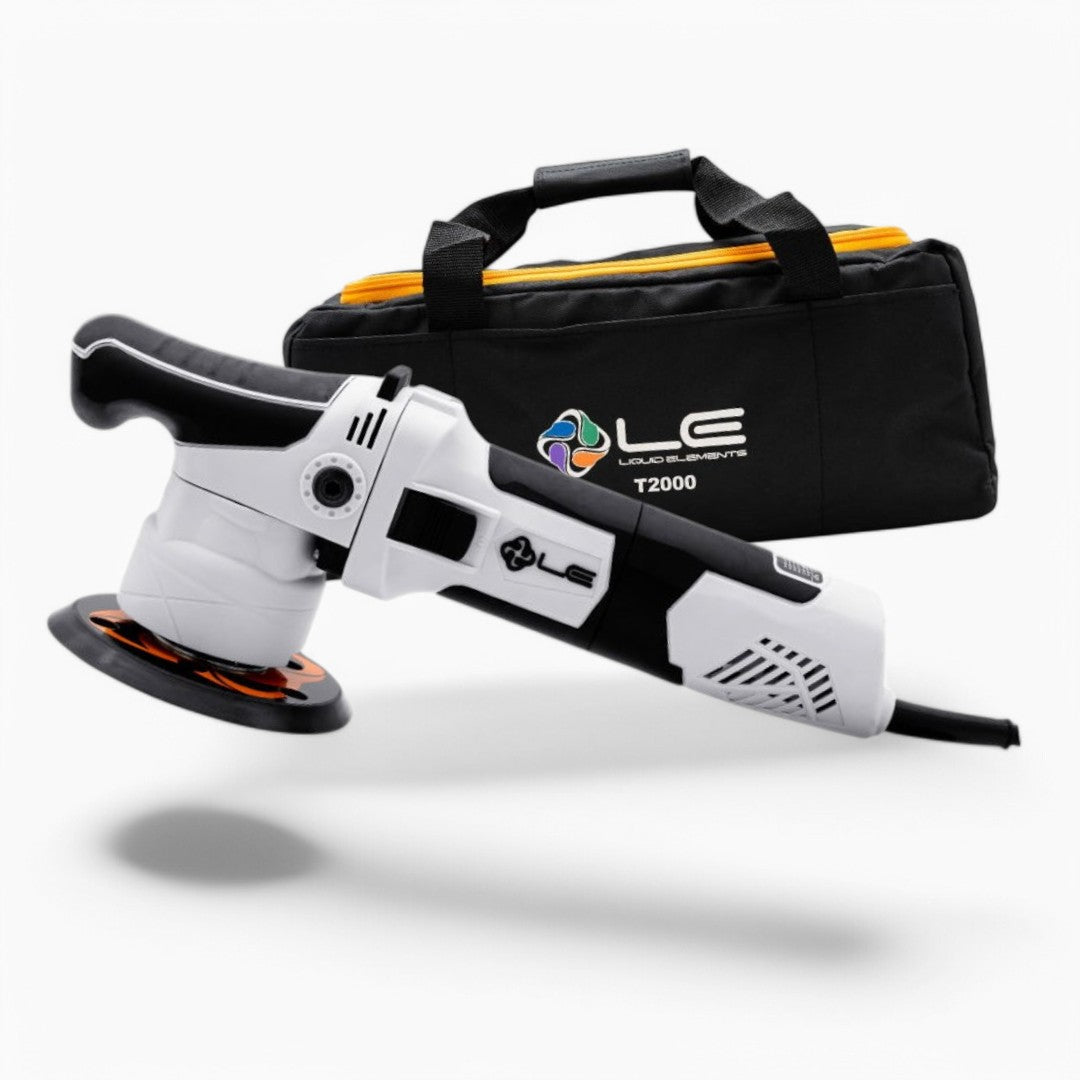
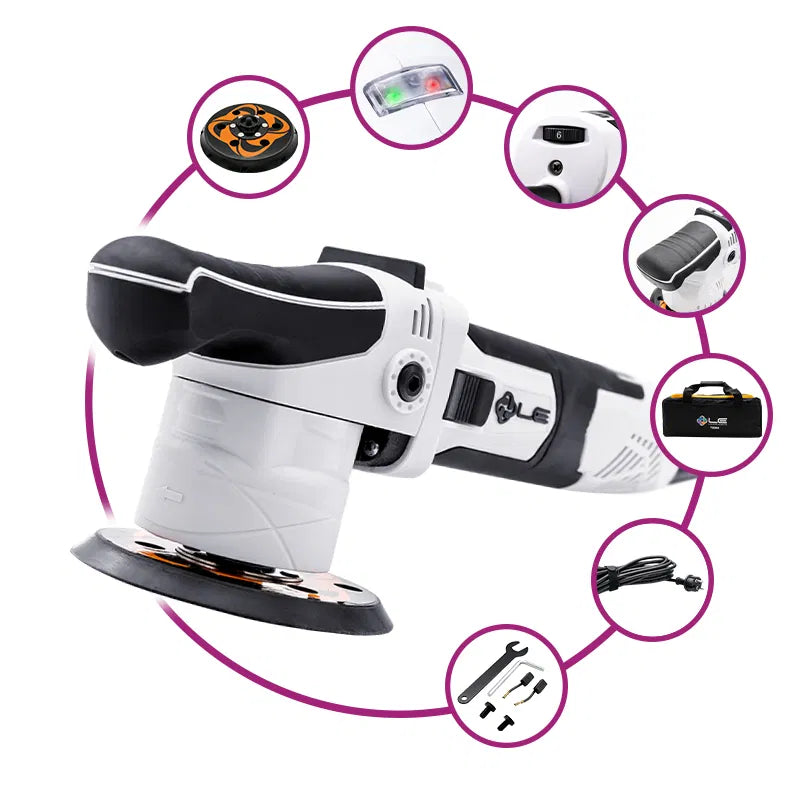
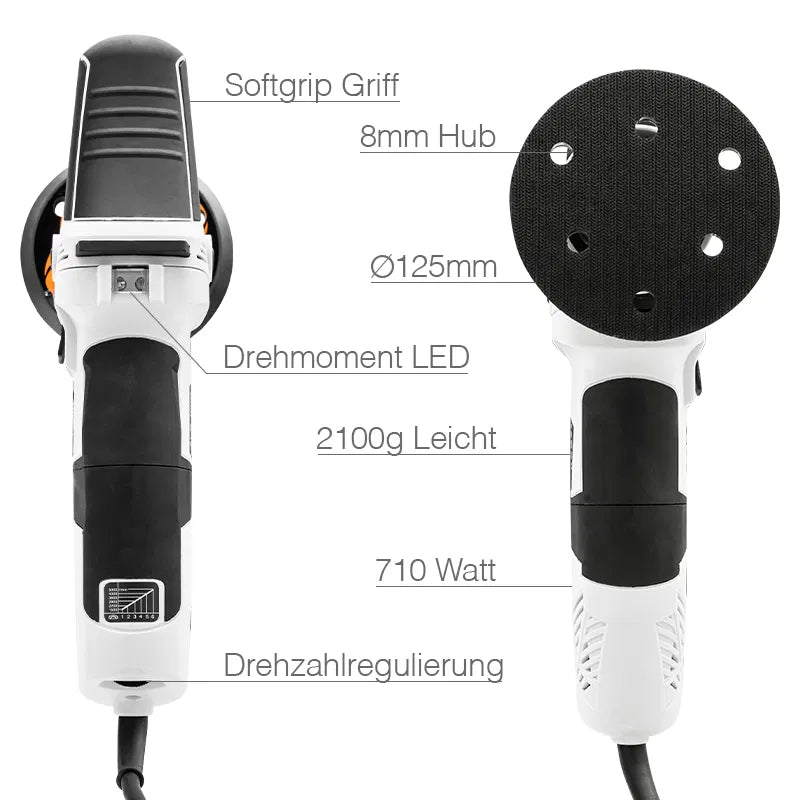
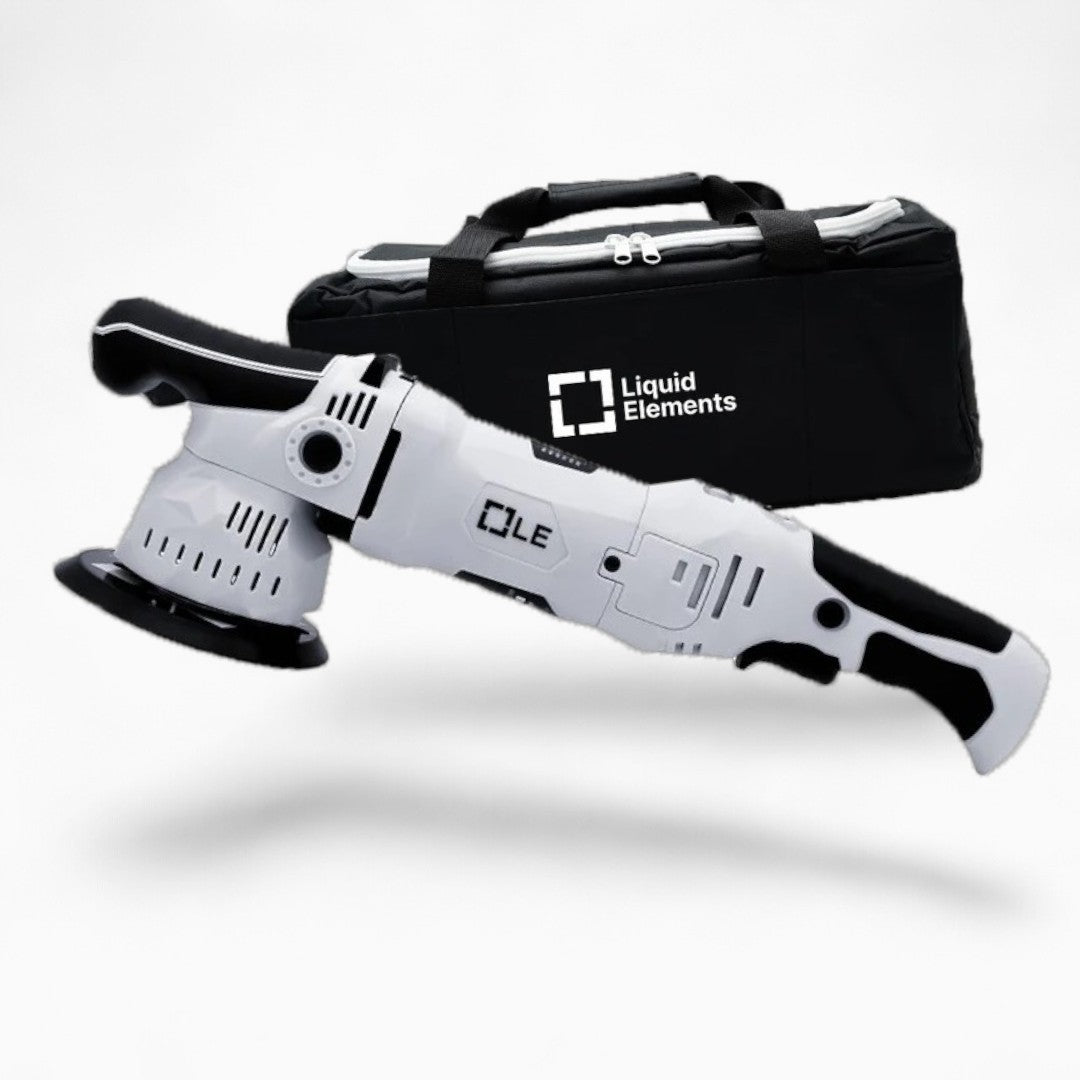
Liquid Elements T2000 V4 eccentric polishing machine 8mm stroke 710Watt
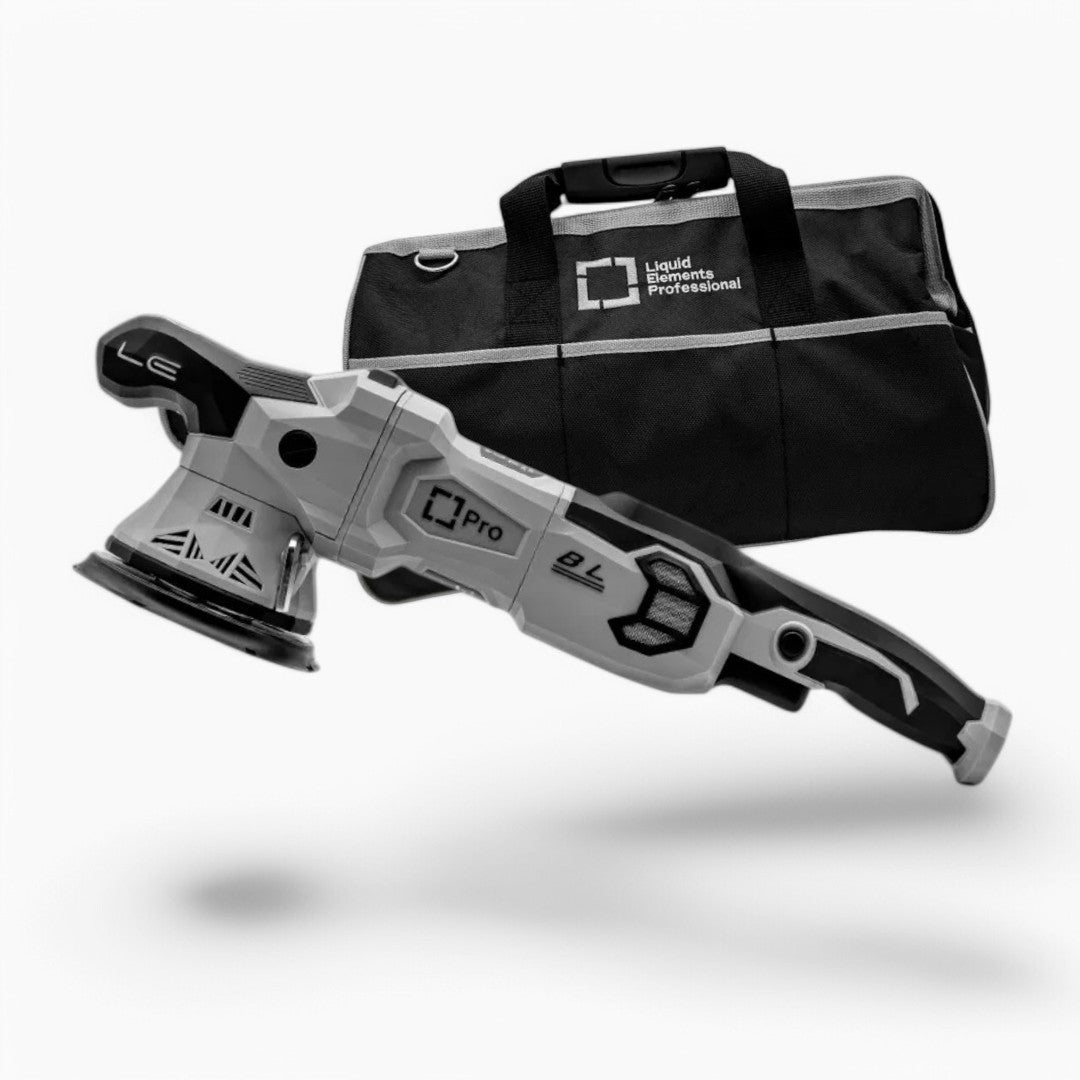
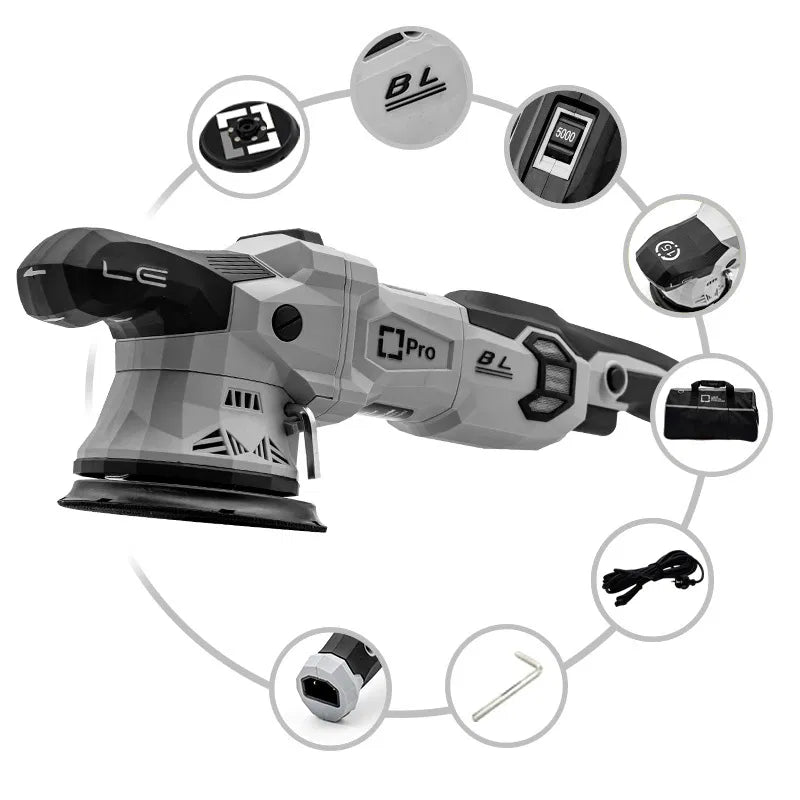
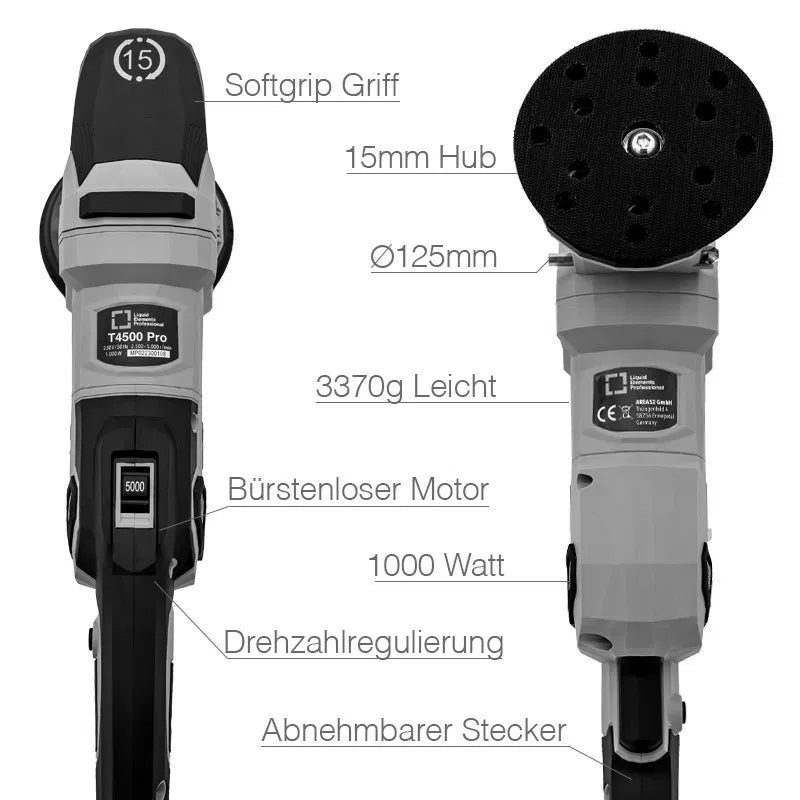
Liquid Elements T4500 Professional Eccentric Polisher 15mm Stroke 800Watt
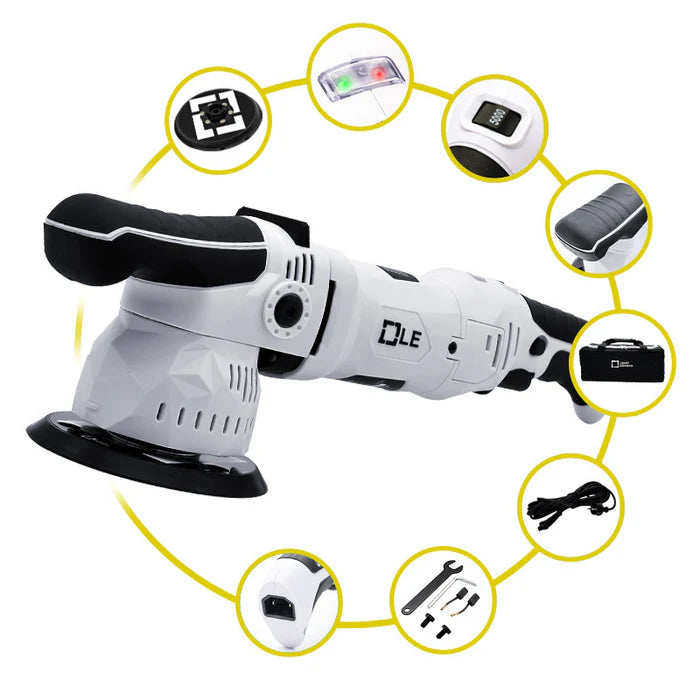
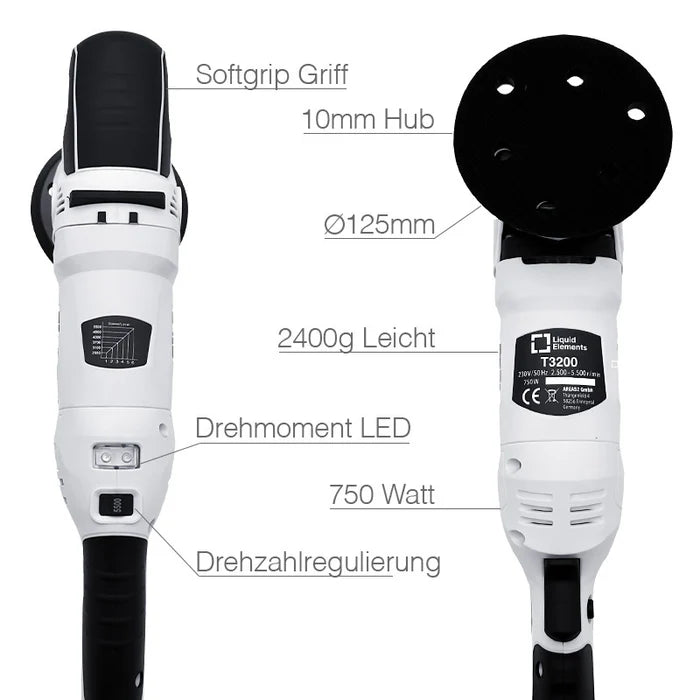
Liquid Elements T3200 V3 eccentric polishing machine 10mm stroke 750Watt
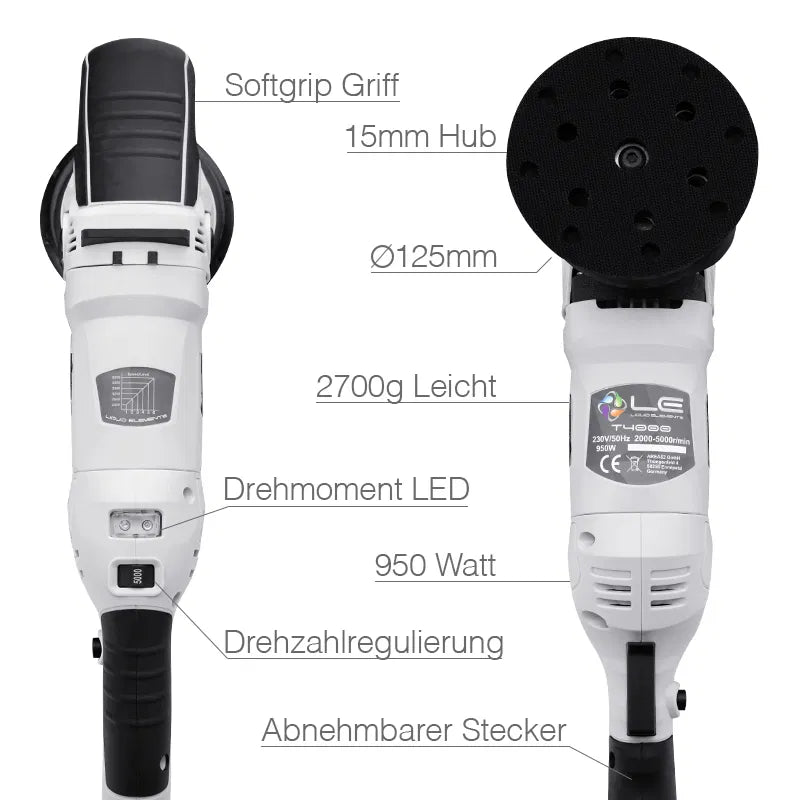
Liquid Elements T4200 EU eccentric polishing machine 15mm stroke 950Watt
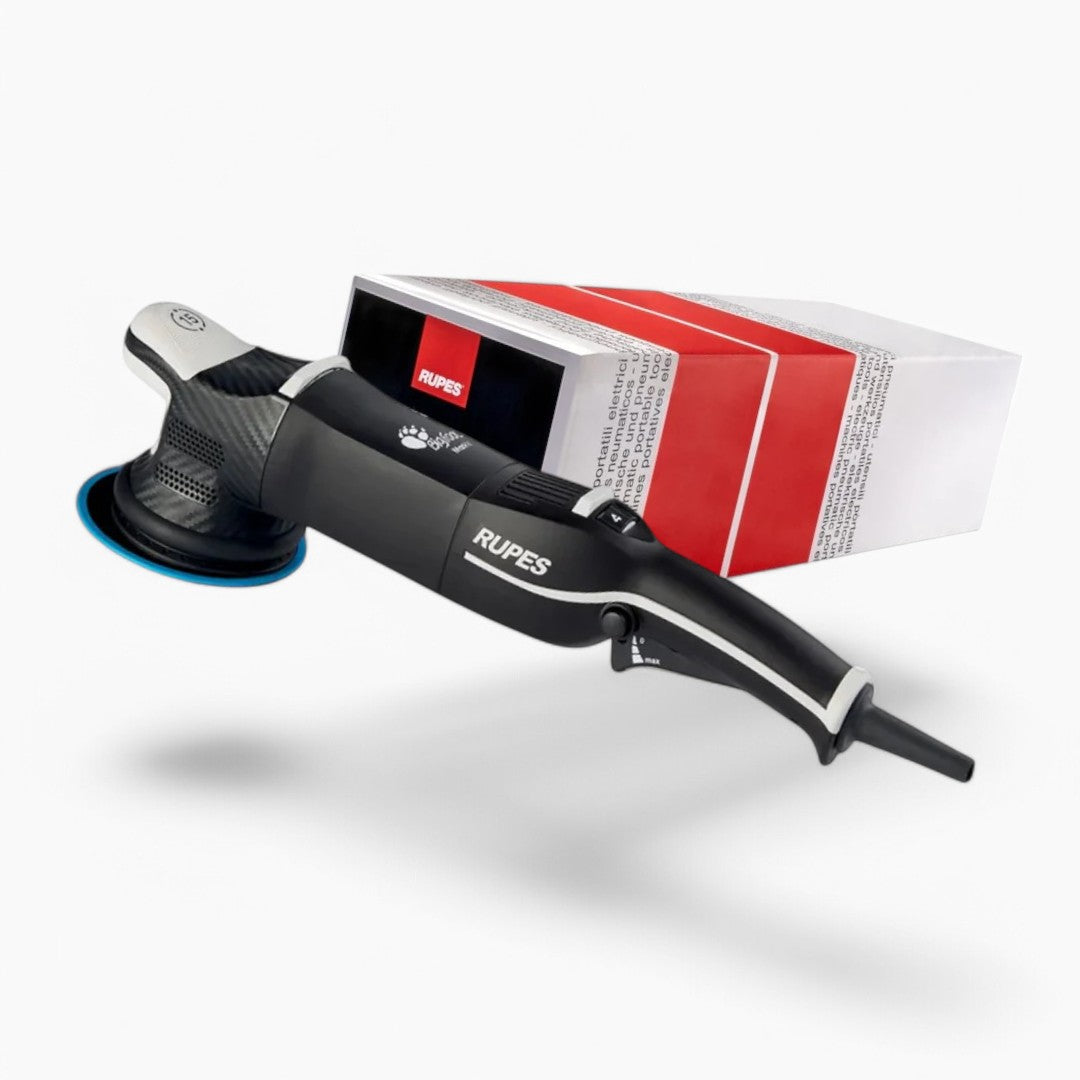
Rupes BigFoot LHR 15 Mark V eccentric polishing machine 15mm stroke 500Watt
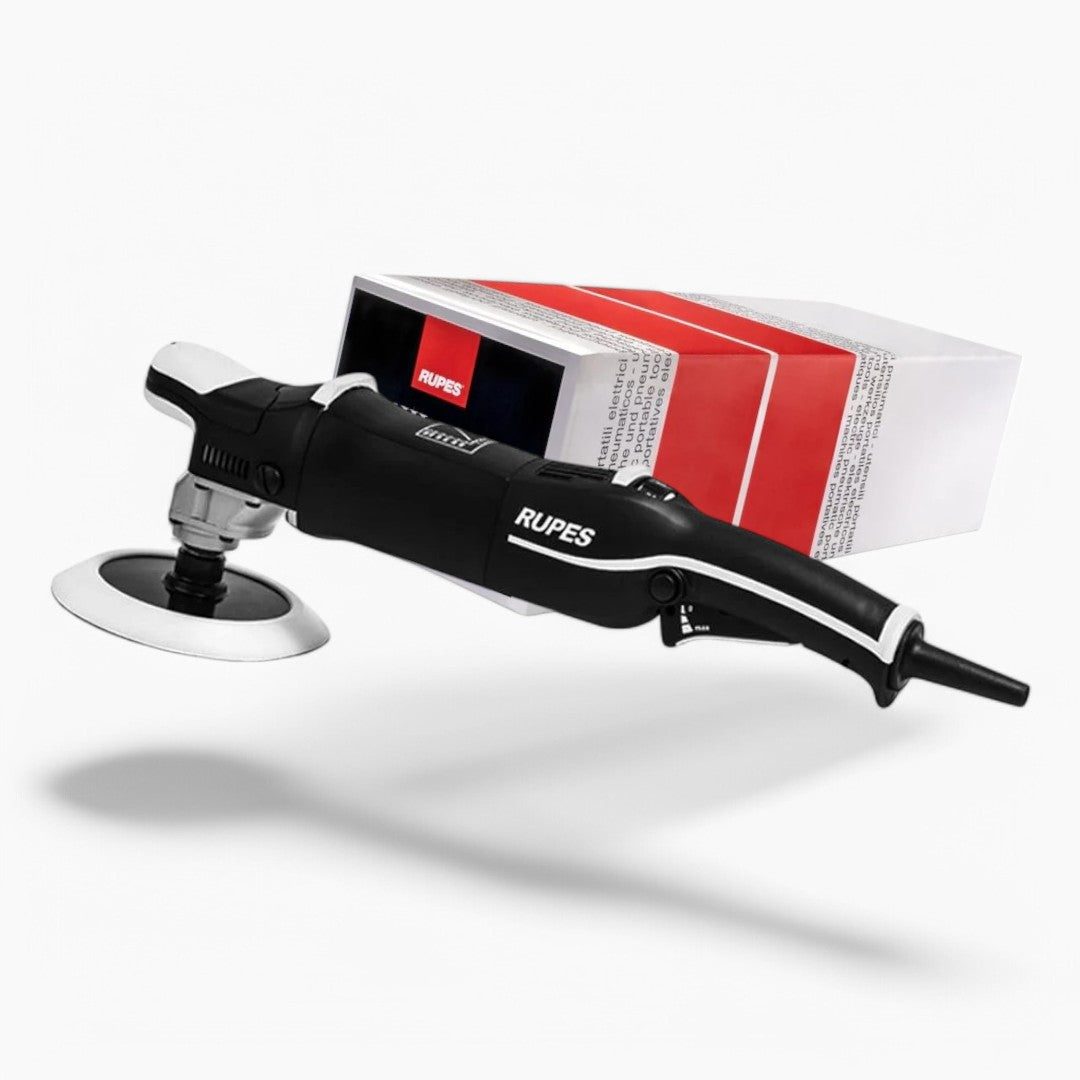
Rupes BigFoot LH19E rotary polishing machine
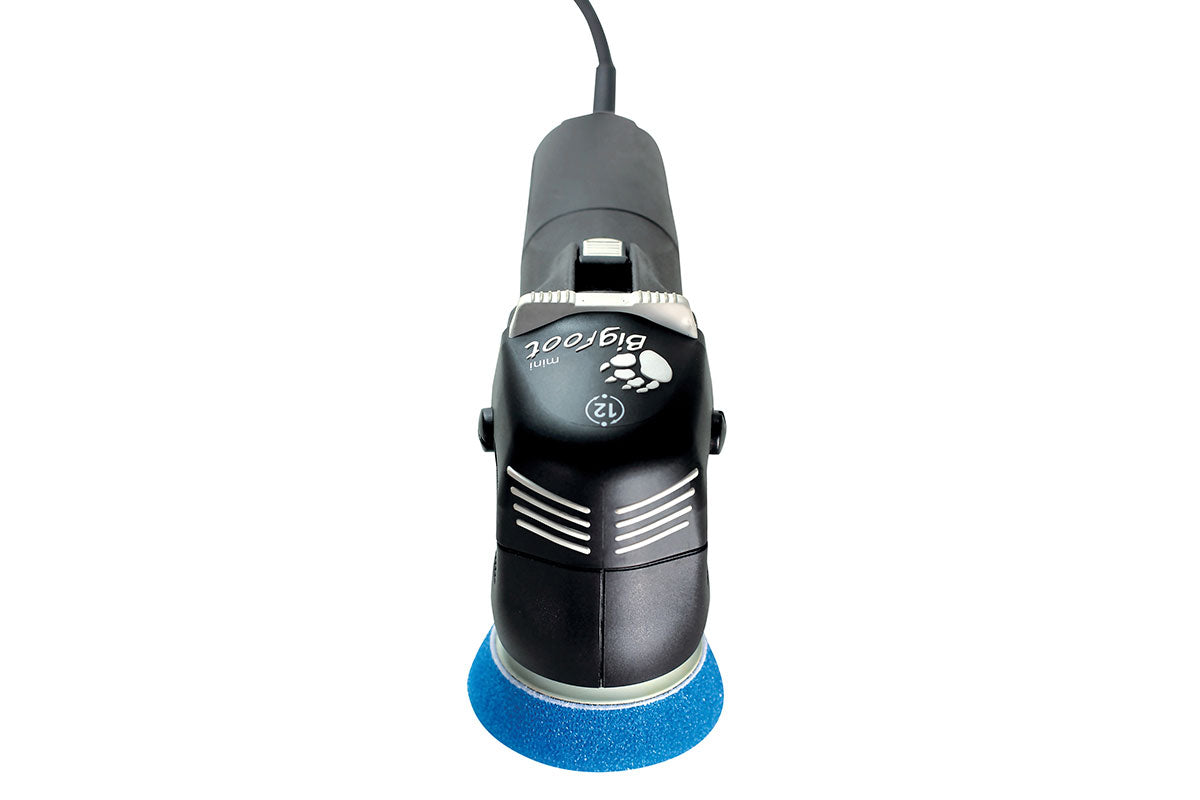
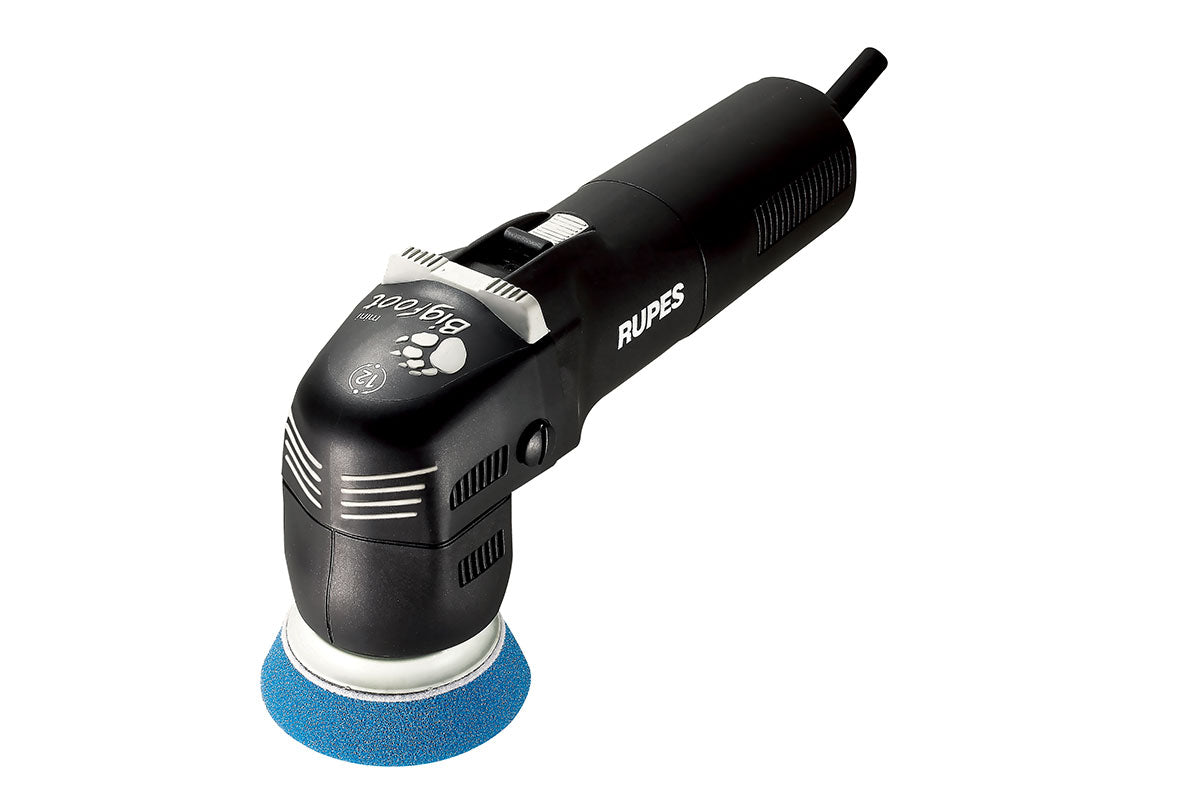
Rupes BigFoot LHR 75E Mini Orbital Polisher 12mm Stroke 400Watt
Rupes BigFoot LHR 15ES eccentric polishing machine 15mm stroke 500W
A flawless, deep gloss finish is every car enthusiast’s dream. But a perfect finish doesn’t happen by chance – polishing machines are the key to turning well-maintained paint into a true highlight. They save time, make the job easier, and deliver results that are hardly achievable by hand. Whether you’re a beginner or a pro, the right polishing machine is essential for giving your vehicle that final touch.
Whether you maintain a daily driver or perfect your sports car, a quality car polishing machine is an indispensable tool for any owner. It not only helps remove scratches and paint defects but also ensures a glossy, uniform look.
For beginners, we recommend the Liquid Elements T3000 V3 dual-action polisher. With its 10 mm orbit and user-friendly handling, it’s ideal for your first polishing experience. Delivering 750 W of power and constant speed control, it provides consistent results even with slight tilting. The Rupes BigFoot LHR 15ES dual-action polisher, on the other hand, targets more experienced users and, thanks to its 15 mm orbit and 500 W output, delivers faster, more precise results.
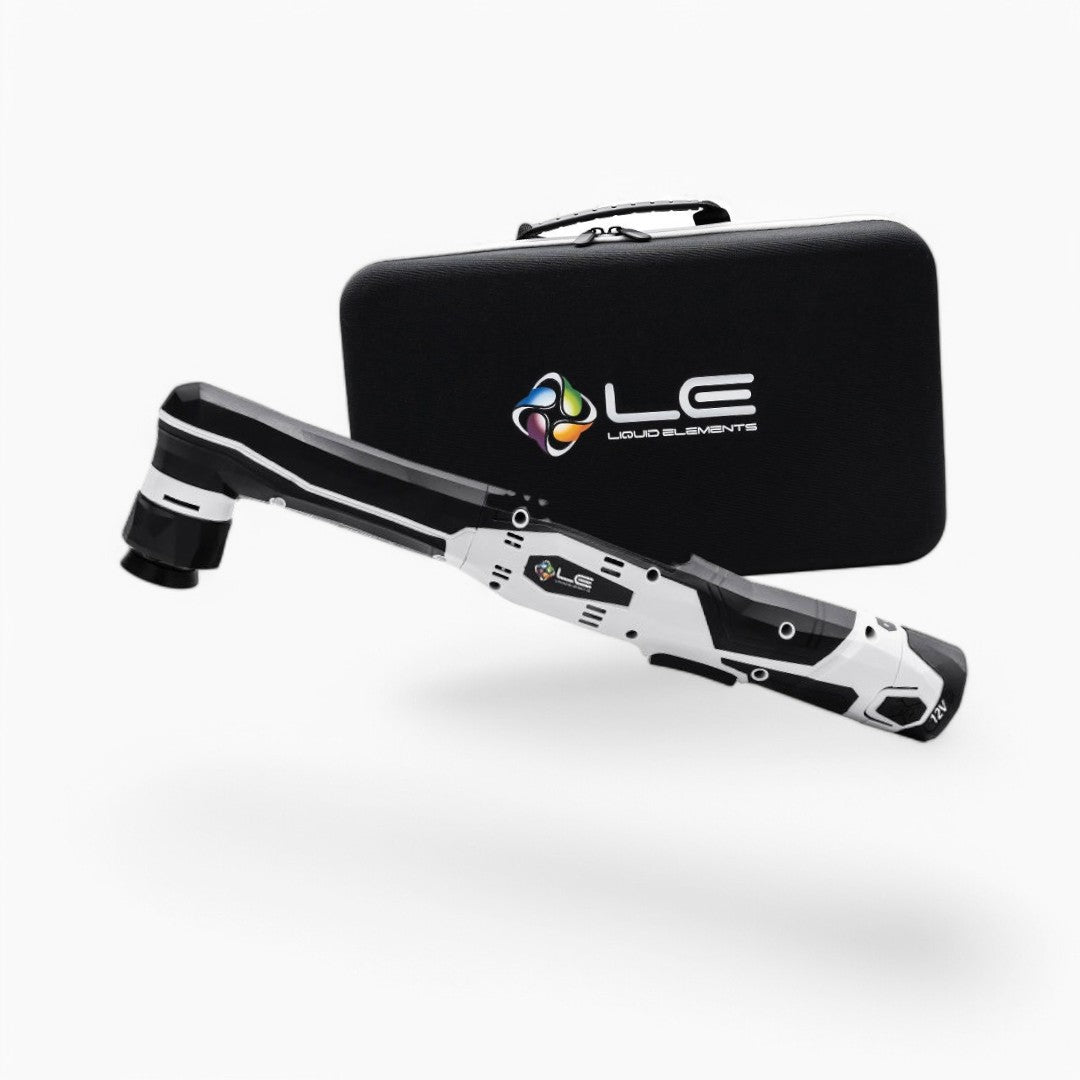
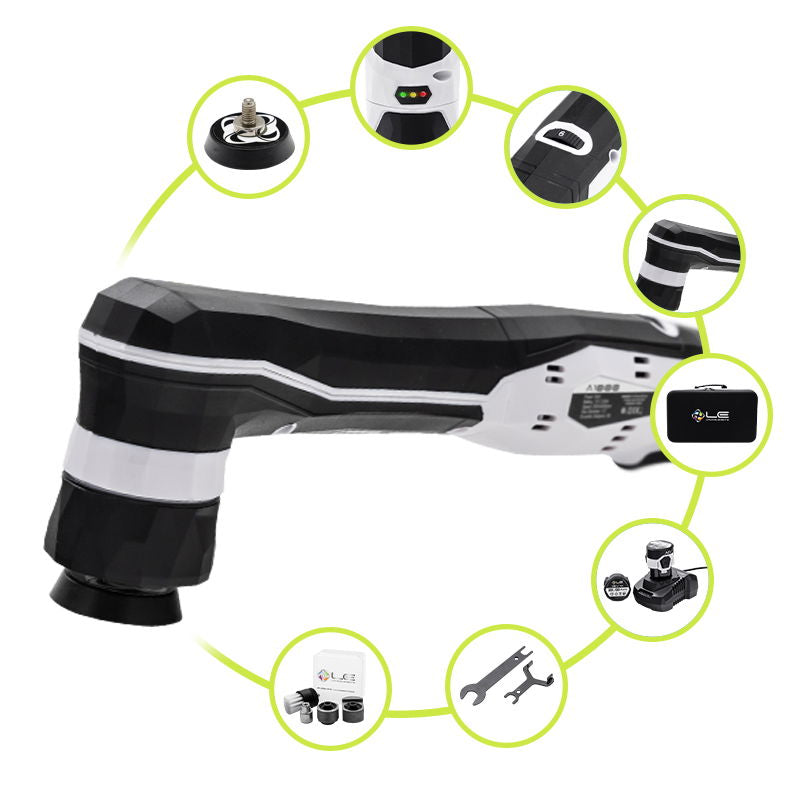
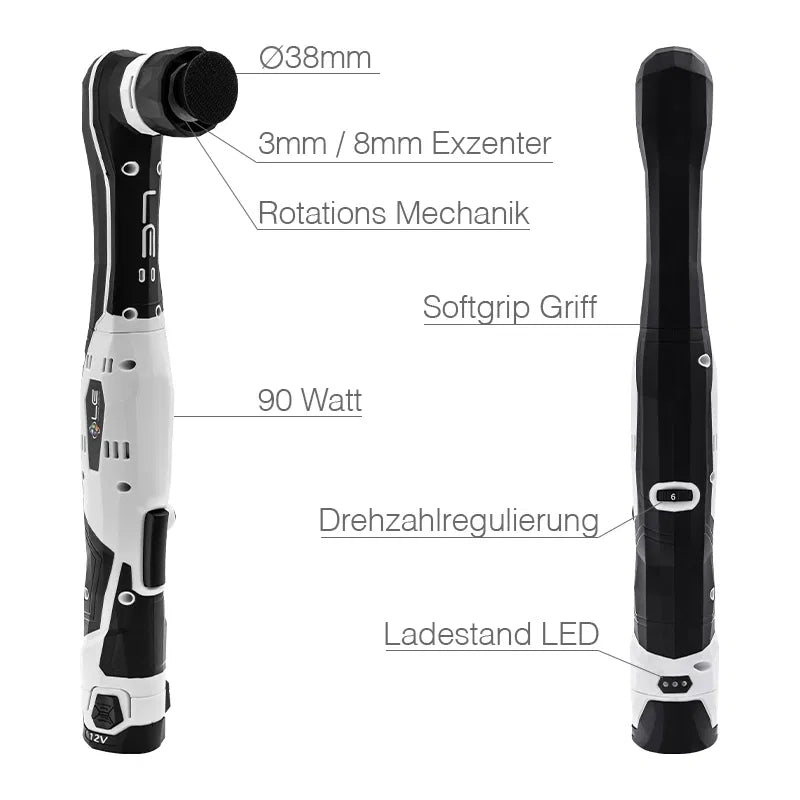
If you want the benefits of a dual-action polisher in an even more compact form, the Liquid Elements A1000 V4 Mini cordless polisher is an excellent choice. With its flexible battery technology and the ability to switch between dual-action and rotary modes, this mini polisher becomes an indispensable companion for detailing pros and enthusiasts alike.
Choosing the right polishing machine depends heavily on your experience level and the results you want to achieve. In this category, we offer models for beginners as well as advanced users, suited to different needs and budgets.
Beginner models: The Liquid Elements T3000 V3 dual-action polisher is the perfect model if you’re just getting into car care. With 750 W of power and a 10 mm orbit, it delivers consistent results without requiring pro skills. Its user-friendly handling and constant speed control ensure a stress-free workflow, especially for your first tries. If you want great value for money, this machine is an excellent choice.
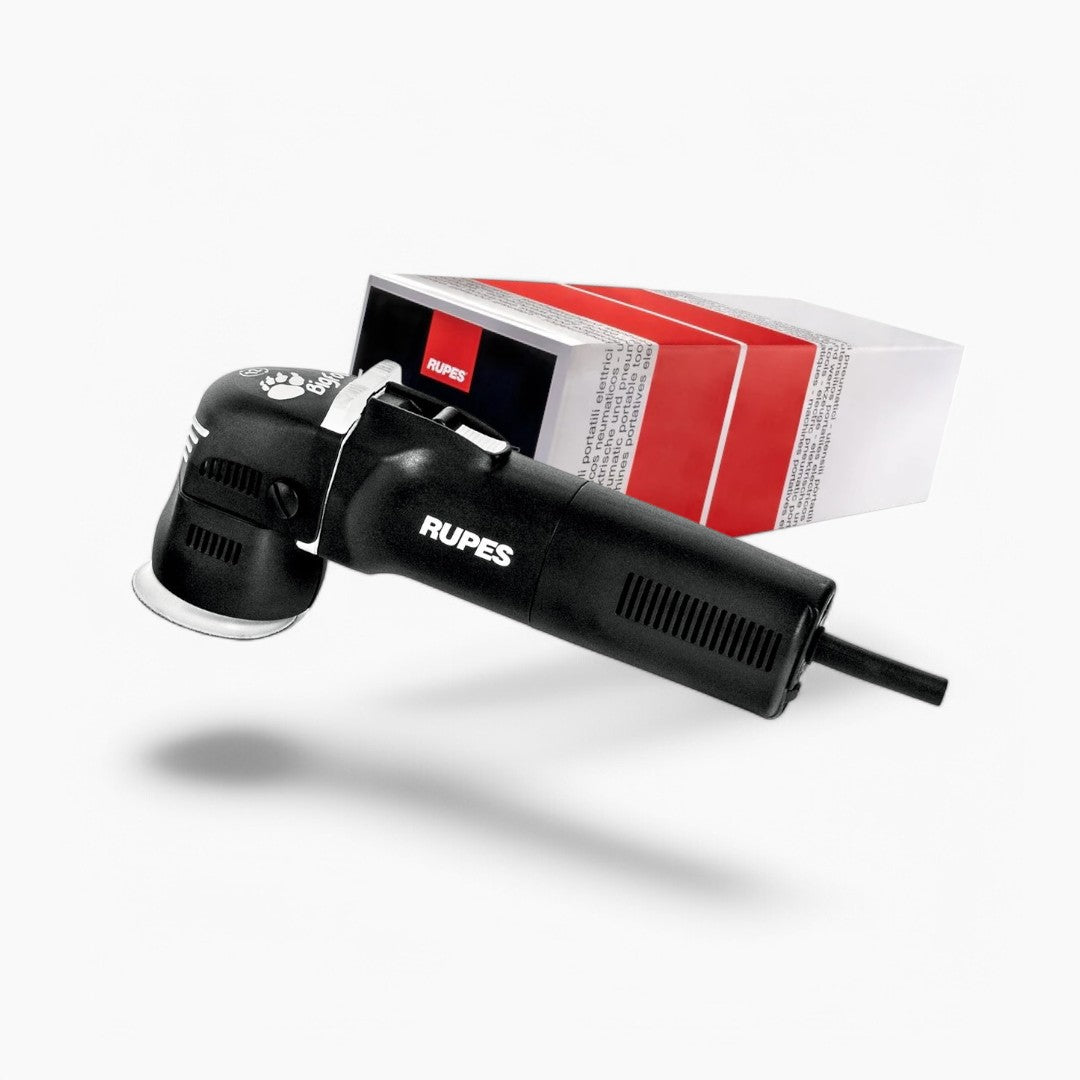
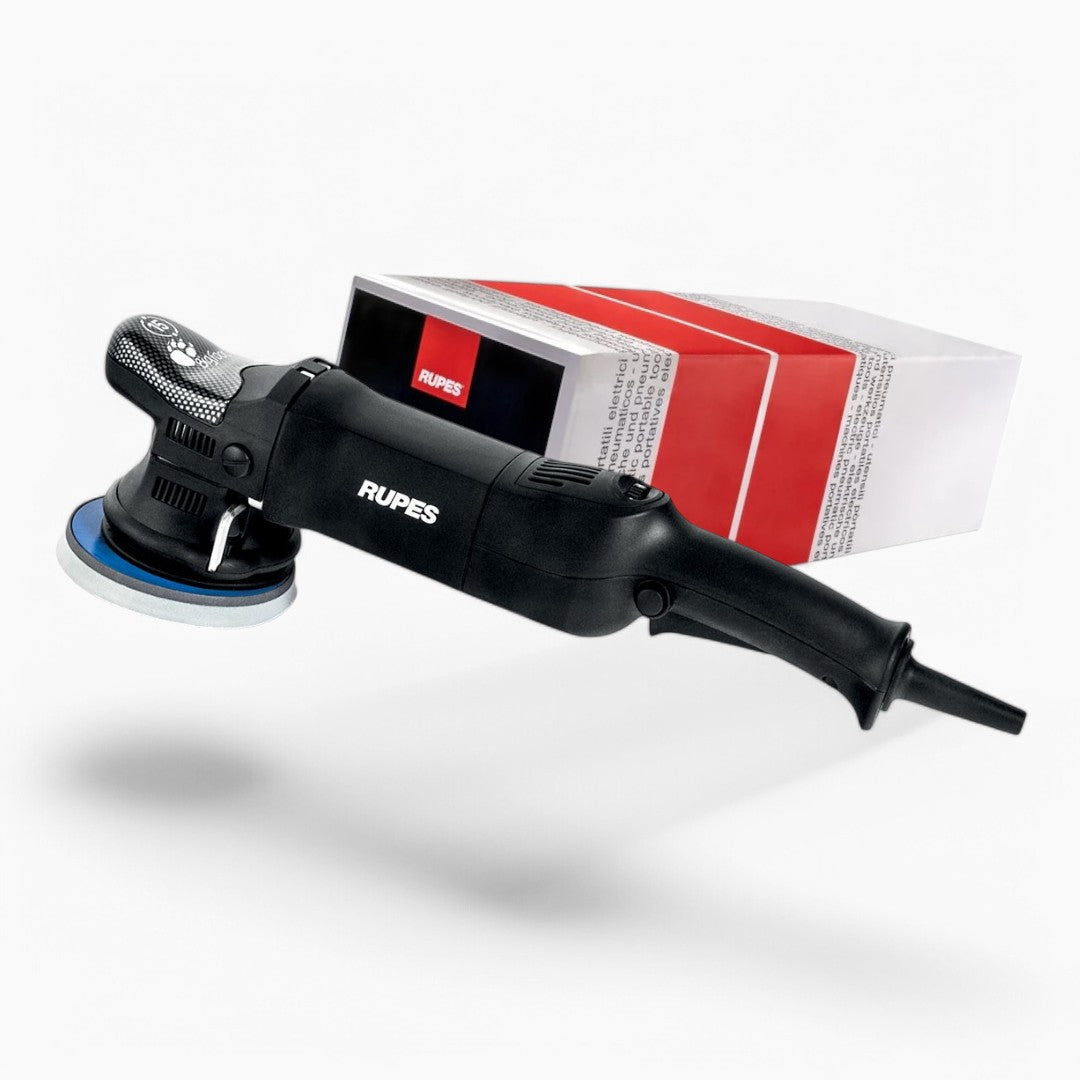
Pro models: If you already have polishing experience or work professionally, machines like the Rupes BigFoot LHR 15ES or the Rupes BigFoot LHR 15 Mark V are ideal. These models offer not only higher performance (500 W) but also a larger 15 mm orbit for faster outcomes. The Rupes BigFoot LHR 15 Mark V also features innovative technology like the POLYSYNTHEC™ gear system, which minimizes vibrations for exceptionally smooth operation.
Deciding between a cordless polisher and a corded polisher depends on several factors. Both have advantages that matter for different use cases.
Cordless polishers: The Liquid Elements A1000 V4 Mini cordless polisher is a practical companion for mobile work. Battery power lets you polish anywhere — no cable, no limits. Especially for small to medium jobs or detailed work on hard-to-reach areas like wheels or door handles, the A1000 V4 shines. It’s compact, lightweight, and highly flexible. The second battery pack option enables near-continuous use, so you can work without interruption.
Corded polishers: Classic corded polishers like the Liquid Elements T3000 V3 or the Rupes BigFoot LHR 15ES offer a constant supply of power. They’re ideal for longer sessions because you don’t have to worry about battery life. On larger vehicles or intensive correction cycles where a continuous power supply is crucial, these models excel. While corded polishers are less flexible than cordless units, they provide uninterrupted performance and often a bit more power for demanding applications.
Nano polishers like the Liquid Elements A1000 V4 Mini cordless polisher deliver outstanding precision and flexibility, especially for detailed tasks. Smaller and lighter than conventional machines, they’re ideal for challenging spots. Whether you’re polishing wheels, door handles, or removing dust nibs and runs, a nano polisher lets you achieve impressive results in the tightest areas.
The Liquid Elements A1000 V4 Mini allows you to work with different attachments — from dual-action to rotary. This versatility is crucial when tackling sensitive areas where precise control matters. Its compact size and low weight keep even long polishing sessions comfortable.
A key decision when choosing a polisher is whether to go for a corded or cordless model. Both options have unique benefits, which may weigh differently depending on your use case and personal preference.
Corded polishers like the Liquid Elements T3000 V3 or Rupes BigFoot LHR 15ES deliver constant, uninterrupted power. Since they plug directly into the mains, there’s no need to worry about battery runtime. They’re ideal for long jobs and larger paint corrections that require sustained performance. The trade-off is reduced mobility because they must remain connected to a power outlet.
Cordless polishers like the Liquid Elements A1000 V4 Mini offer significantly more flexibility and mobility. They’re especially practical for hard-to-reach areas or places without available power. Thanks to advanced lithium-ion technology, these devices provide longer runtimes and stable performance throughout the polishing cycle. A potential drawback is limited battery life, though many modern cordless polishers include a second battery to compensate.
| Type | Advantages | Disadvantages |
|---|---|---|
| Corded polishers | Consistent power, no charging required, ideal for long work sessions. | Limited mobility, dependent on proximity to a power outlet. |
| Cordless polishers | Maximum flexibility, no cable clutter, ideal for hard-to-reach areas. | Limited runtime, potentially longer charging times depending on the model. |
The right polisher depends on your needs, your experience, and the demands of your detailing work. If you’re just starting out or want a versatile, portable machine, the Liquid Elements A1000 V4 Mini cordless polisher is an excellent choice. It offers flexibility plus the power you need for smaller, precise jobs.
For advanced users or professionals seeking a durable, powerful, and robust solution, the Rupes BigFoot LHR 15ES or the Rupes BigFoot LHR 15 Mark V could be exactly what you need. These machines offer unrivaled precision, exceptional comfort, and are suitable for more demanding tasks.
If you need a reliable machine for daily use and longer polishing sessions, a corded Liquid Elements T3000 V3 or a Rupes BigFoot will deliver top performance. Both models offer outstanding control and are ideal if you value precise, repeatable results.
Whichever model you choose, with any of the above machines you can be confident you have the power and control you need for a perfect finish.
To achieve the best polishing results, you should also use the right products throughout the process. In our car polishes and polishing pads categories you’ll find everything you need for thorough, professional paint care. Choose the ideal polish to prepare your paint and the matching pad for every tool to perfect the finish. Click through and discover how to take your detailing to the next level!
Here we answer the most important questions about using polishing machines so you’re well prepared and get the most out of your tool:
1. How does a polishing machine work?
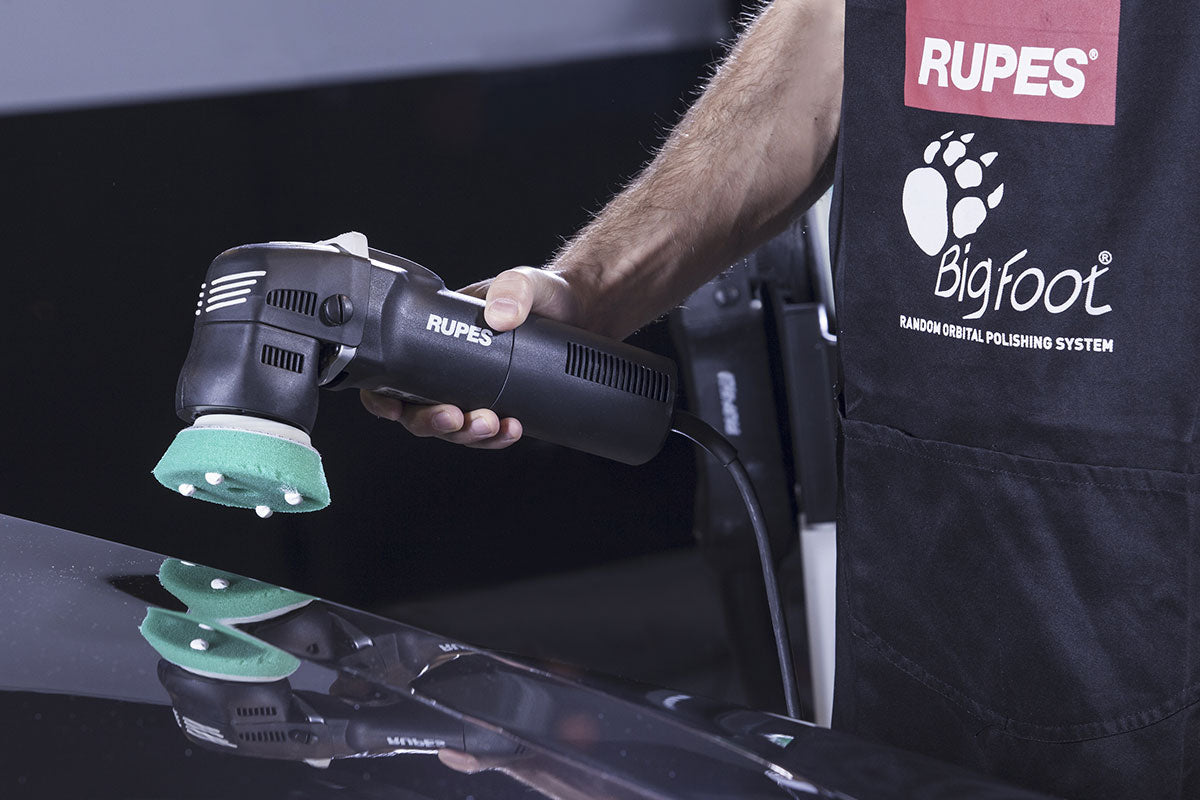
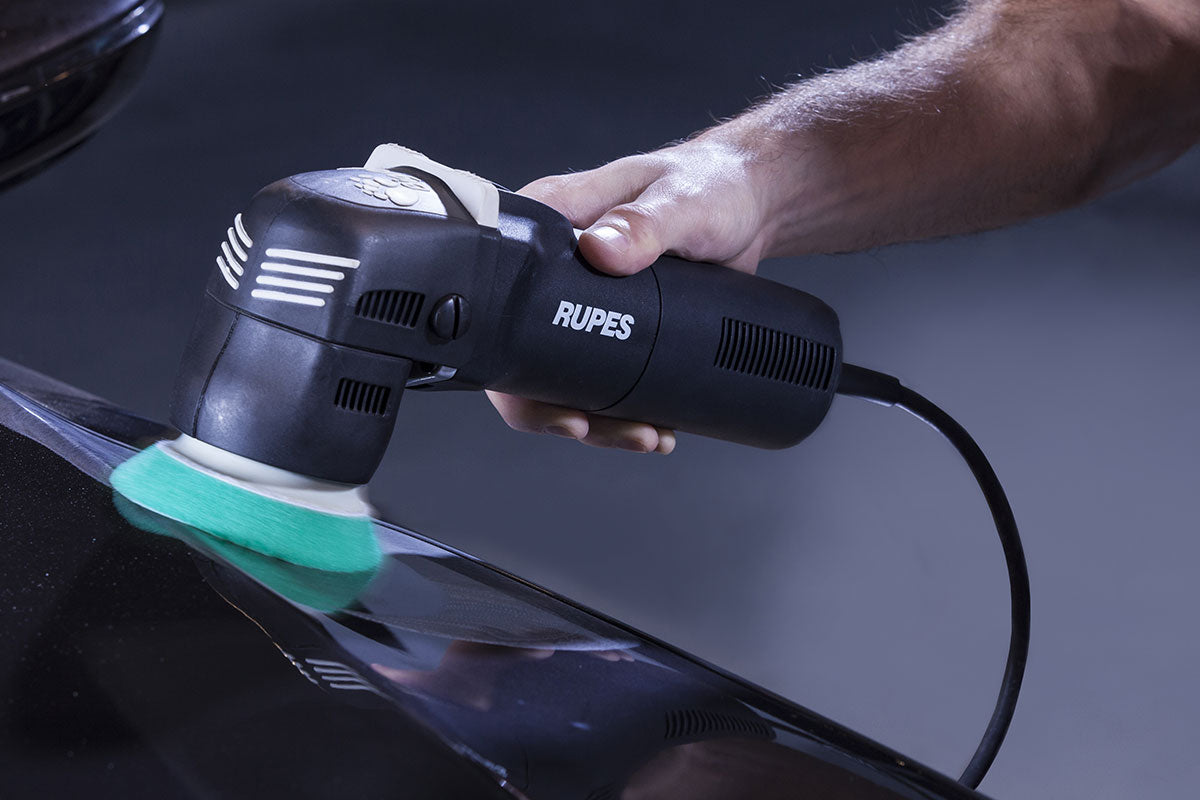
A polisher moves a pad across the vehicle’s surface. These motions (rotary or dual-action/orbital) help remove scratches, holograms, and other paint defects while leveling the surface for a glossy, reflective finish.
2. What’s the difference between dual-action and rotary machines?
Dual-action machines not only rotate but also oscillate. This motion is safer and better for beginners because it reduces the risk of holograms and buffer trails. Rotary machines rotate exclusively and deliver higher cutting power, making them ideal for experienced users or pros.
3. How long should I polish a vehicle?
Duration depends on the vehicle size and paint condition. As a rule of thumb, 1–2 hours can produce a satisfying result on a typical car. Take regular breaks to avoid overheating the machine or the paint.
4. Can I use any polisher on all paint types?
Polishers can be used on most automotive paints, but choosing the right pad and polish is crucial. Softer paints require gentler pads, while harder paints may need firmer pads and more aggressive polishes. Always follow the manufacturer’s instructions.
5. Do polishers require regular maintenance?
Yes. Regular maintenance extends the life of your machine. Keep pads clean and periodically check cables or batteries. For tools with rotating parts, make sure bearings are regularly lubricated to ensure smooth operation.
6. Why do holograms appear when polishing?
Holograms often result from excessive speed or improper technique. Work at the correct speed, apply even pressure, and choose suitable pads and polishes to prevent these effects.
7. Is using a polisher difficult for beginners?
It can be challenging at first, especially if you’re new to detailing. Proper technique is essential for even results and to avoid damage. Don’t worry—many machines are beginner-friendly, offering variable speeds and constant speed control for easier handling. Starting with an entry-level model is recommended; with a bit of practice, you’ll quickly get the feel for it.
8. Can I use a polisher on motorcycles or bicycles?
Yes, polishers work great on motorcycles and bicycles, especially for paint care and detailing. Because these vehicles have smaller, more complex surfaces, a compact tool with precise control is ideal. The Liquid Elements A1000 V4 Mini cordless polisher is particularly suitable thanks to its small size, handling, and versatility—perfect for wheels or tank areas.
9. How do I know if a polisher is generating too much heat, and how can I avoid paint damage?
Excess heat can build up if you work too long in one spot or at too high a speed. This can damage the paint through overheating, causing discoloration or even delamination. Keep the machine moving and take breaks to let the panel cool. Many premium polishers feature thermal protection or constant speed control to help manage temperature. Also, use the recommended speed for your chosen pad and polish.
10. Can a polisher remove scratches from plastic parts or headlights?
Yes—light scratches can often be reduced on plastics or headlights, provided they’re not too deep. Use pads and polishes designed for these materials. A low-speed setting with a soft pad is ideal for sensitive plastics. On headlights, a polisher can restore clarity by removing a thin oxidized layer and bringing back transparency.
11. What safety precautions should I take when using a polisher?
Follow these basics to avoid injury and damage:

Try our entire AntiDirt range within 100 days. If you don't like it, you'll get your money back.

For orders over CHF 100, you will receive your products delivered to your home free of charge via Swiss Post.

You will always receive personal support from our expert Swiss customer service team.

With every order, you support our young family business from Lausen and become part of our success story!